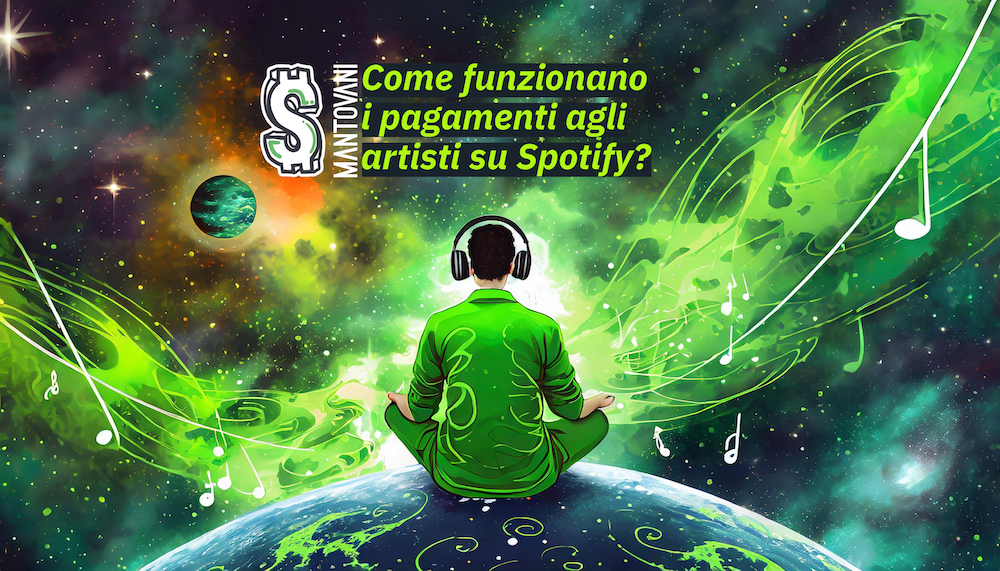
In recent years, Spotify has become one of the most popular platforms for streaming music, offering millions of users instant access to a vast music catalog. But does this popularity really translate into significant earnings for artists? The answer is more complex than it seems, since Spotify's remuneration system is built on a series of variables that are not always transparent.
Spotify generates its revenue primarily through two sources: premium subscriptions, which allow users to listen to music without ads, and advertising placed on the free versions of the service. This revenue is then distributed between the platform itself, record labels, music publishers, and, ultimately, the artists. However, contrary to what you might think, Spotify does not pay a flat fee for each individual stream.
The payment system is proportional: each artist earns a share based on the number of streams generated compared to the total listens on the platform in a given period. For example, if a song represents 1% of all monthly listens on Spotify, the artist will receive 1% of the revenue distributed to artists for that month. This model creates constant competition, as an artist's remuneration depends not only on their streams, but also on the total number of streams on the Spotify, which is constantly growing.
Another crucial aspect is the geographic origin of the streams. Revenue generated by the Spotify varies significantly between countries, as subscription costs vary depending on the market. Streams from countries with low-cost subscriptions, for example, generate less revenue than those from markets like the United States or Western Europe. Therefore, even a high number of streams does not automatically guarantee significant earnings.
On average, Spotify pays artists between $0.003 and $0.005 per stream. However, this figure can be further reduced by contractual agreements with record labels and distributors, who often retain a percentage of the earnings. Independent artists, who do not have a label mediating their relationships with Spotify, can keep a larger share, but they must also directly cover the costs of promotion, distribution, and music production.
To maximize their earnings on Spotify, artists must adopt a targeted strategy. It's not enough to upload their music to the platform and wait for the streams to grow. Getting on playlists curated by Spotify or by influencers is one of the keys to increasing the visibility of their songs. Investing in digital marketing is equally important: promoting your music on social media, creating engaging content, and building a direct relationship with your audience are key to increasing streams and building fan loyalty.
Spotify undoubtedly represents a great opportunity for artists, but it's essential to understand how its compensation system actually works. Only with a well-planned strategy can you fully leverage the platform's potential and transform your passion for music into a sustainable career.
Improve your performance and maximize your earnings
If you're an artist looking to optimize your presence on Spotify, contact me for a consultation. With over 20 years of experience in the music industry, I'm an expert in editorial management and digital distribution. Together, we can develop an effective strategy to promote your music, achieve your streaming goals, and build a sustainable career. Schedule a meeting with me to get started.