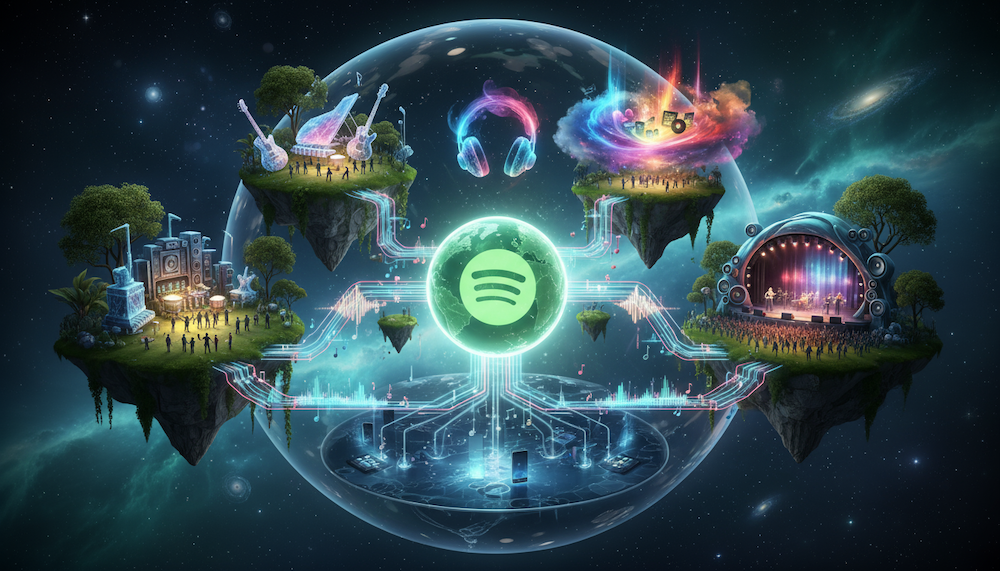
Spotify was once “solo” a streaming platform. Today it is a player that shapes music discovery, promotion and monetization. In this article, we analyze recent changes and what artists, labels, and distributors can do to transform disruption into opportunity.
Key points
- The changes affecting the Spotify don't just affect one platform: they redefine the entire industry.
- The response from artists, labels, and distributors is decisive: regular releases, strong engagement, and a multi-platform presence.
- Strategy and data at the center: data-driven decisions, a fanbase built outside the Spotify, and an ecosystem vision.
The dominant role of the Spotify
In 2025, the Spotify will lead streaming with a significant market share and hundreds of millions of active users. Editorial playlists, algorithmic recommendations, and the Premium/Free format influence what emerges, what sticks, and how audiences discover new music. The expansion to include podcasts and audiobooks has consolidated the platform's centrality in digital audio.
The main changes introduced
1) Minimum royalty threshold
Starting in 2024, songs with fewer than 1,000 streams per year will not generate royalties; the aim is to combat fraud, but the impact primarily affects independents. Tougher penalties for artificial streaming also require attention to third-party playlists and promotions.
2) Algorithm and engagement signals
The algorithm rewards completion, repetition, saves, playlist additions, shares, and follower activity. The first 24–48 hours are crucial: coordinated launches and incoming traffic from social media are essential.
3) More selective editorial playlists
With millions of artists, access to editorial is more competitive. The importance of personalized playlists (Discover Weekly, Release Radar) is growing, requiring continuous algorithmic optimization.
4) Promotional tools
- Marquee: paid campaigns (CPC) for initial push.
- Discovery Mode: visibility in exchange for an implicit fee (royalty reduction on selected tracks).
- Canvas: free video loops that increase retention and saves.
- Clips: native vertical videos to strengthen the connection with fans.
5) AI and ChatGPT integration
Conversational recommendations and tools like AI DJ push the Spotify towards an AI-first model for music discovery.
6) Lossless audio
FLAC 24-bit/44.1 kHz support aligns the Spotify with competitors on audio quality and opens up new opportunities for listening “studio-like”.
Impact on artists, labels and distributors
- Independents: more pressure on release frequency, cross-platform promotion and data readout.
- Labels/Distributors: maximum care of metadata, anti-fraud monitoring, artist training.
- Genres: Pop/hip-hop/electronic benefit from rapid signals; jazz/classical/experimental target niche global communities.
How to adapt (operational strategies)
1) Consistent release strategy
Singles every 4–8 weeks are best, and a waterfall approach on albums keeps algorithmic momentum going.
2) Growth outside of Spotify
TikTok for discovery, Instagram for connection, YouTube for research and longevity. Success on Spotify often comes from what you do outside of Spotify.
3) Wide distribution (not just Spotify)
Get your tracks on Apple Music, Amazon Music, YouTube Music, Deezer, Tidal, and specialized stores (e.g. Beatport, Traxsource, IDAGIO, Qobuz). For extensive coverage and rigorous metadata curation, consider DISTRID.
4) Data as a compass
Analyze what works (tracks, markets, playlists), why it works, and connect campaigns and results to better allocate budget and time.
5) Optimize for engagement
Strong first 15–30’’, clear production, memorable moments that encourage saving and re-listening.
6) Authentic Relationships
Aim to convert occasional listeners into active fans: their signals are worth more than “vuoti” volumes.
Spotify reflects the evolution of the industry: more data, more quality, more consistency, and more direct relationships. For those who know how to adapt, the current scenario is a multiplier of opportunities.
I can help you make your catalog more profitable
I have been working in promotion, distribution, and digital strategies for artists and labels for over 20 years. If you want to optimize releases, metadata, campaigns, and performance on Spotify (and more), schedule a meeting with me and we'll prepare a customized plan.
Schedule a Meeting!