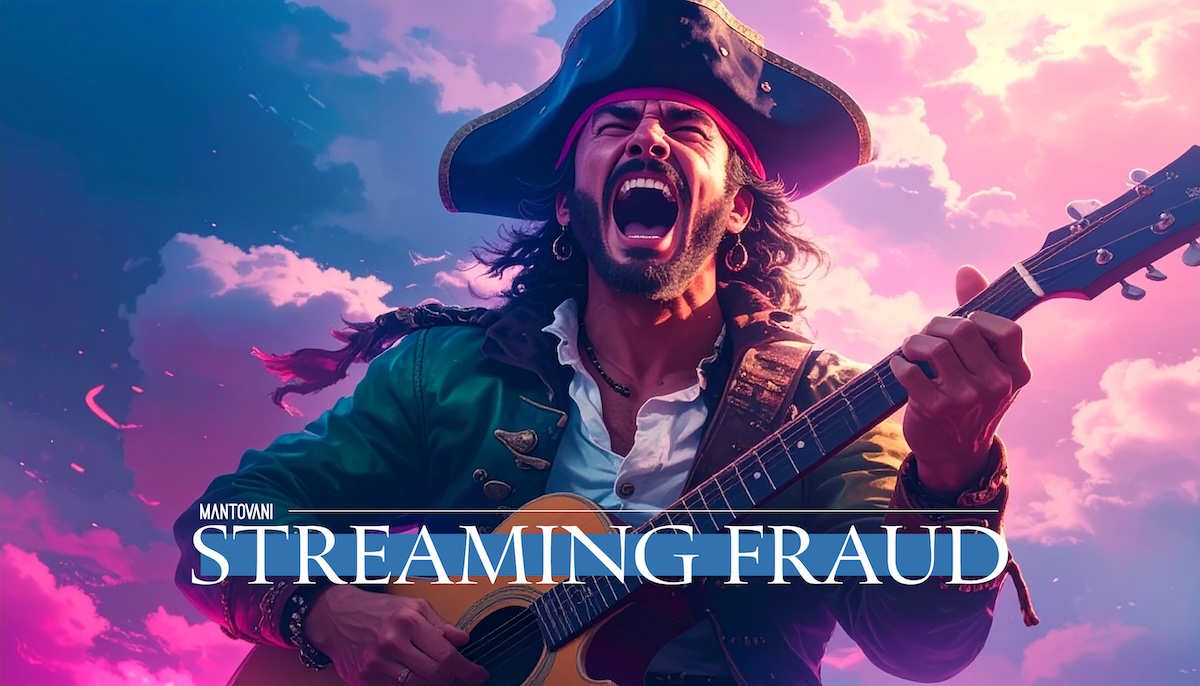
The music streaming ecosystem, with its promise of democratization—immediate distribution, global visibility, passive earnings—is now hiding increasingly sophisticated pitfalls. In particular, some distributors are acting questionably, and overly rigid automations are putting even completely innocent artists at risk.
The biggest risks: automation, unfounded suspicions, and hidden costs
- Strict algorithms and automations without appeal. DSP and distributor detection tools often react to non-linear or sudden streaming spikes with suspicions of fraud, without considering the true nature of the artist's success. A clear example of this is the case of independent artists who see their tracks automatically removed for “streaming artificiale”, even though they have never done anything wrong
- Abuse in distributors There are operators who, as soon as they receive a warning from Spotify or other DSPs, proceed directly with the removal of the tracks or even the entire catalogue, without any warning or dialogue.
- Suspicious Playlists, Bots, and AI Some music promotion companies sell access to playlists that are actually generated by bots or streaming farms: illegal practices that can harm you even if you're not involved. Spotify, for example, considers these activities a serious violation of its policies.
The most insidious damages
- Loss of royalties Artificial streams are disavowed, and in some cases distributors can even withhold or confiscate past royalties.
- Absurd and unjustified costs Some automated decisions can end up costing artists more than they actually earned: there are cases of “fraud fee” exceeding the earnings generated.
- Playlist Population with “ghost artists” Recent reports (like Liz Pelly’s in Harper’s Magazine) reveal that some DSPs — specifically Spotify — have promoted artificially created tracks (Ghost Artists, “Perfect Fit Content”) to save on royalties intended for real musicians.
What to do to protect yourself
- Avoid services that promise playlists, streams, or growth “garantita” If a promotion sounds too good to be true, it probably is. Better to focus on organic growth and real engagement with your audience.
- Report suspicious playlists or activity If you notice promotions that include playlists created out of nowhere or abnormal spikes in listenership, report them immediately: better safe than sorry.
- Always demand transparency Demand that distributors clearly inform you about notifications, removals, and evaluation processes. Don't be left wondering: ask for clarification and request evidence.
- Build your presence consistently. Integrate releases, social media, performances, and real audiences. A solid career is built on authentic relationships, not artificially inflated numbers.
Do you want concrete and personalized protection for your music?
I can help you secure your tracks, monitor suspicious playlists, and interact with distributors to protect your accumulated royalties. Together, we can work for a fairer ecosystem—your work deserves to be heard and respected.
Want to understand how much distributors owe you (and how to get your music back)? Schedule a meeting with me.
Schedule a Meeting!