
In 2024, the music industry offers more opportunities than ever for those looking to start their own record label. With the development of technology and digital distribution platforms, launching a label has become more accessible than it was a few years ago. However, it's crucial to understand the steps required to build a solid foundation on which to grow your music brand and support the artists you choose to promote. In this guide, I'll provide you with a clear and practical overview of how to start a record label in 2024.
1. Define your vision and purpose
First, you need to clarify what your record label's mission will be. What is your primary goal? Do you want to promote artists in a specific genre? Do you plan to focus on emerging musicians or build an international roster of established artists? Your label's vision will guide the decisions you make along the way.
Start by defining your target audience: who are the listeners you want to reach? Focusing on a specific music genre, such as electronic music, rap, or indie, can help you build a clear identity for your label and attract the right artists.
1.1 The Role of a Strong Brand Identity
Your record label's branding must reflect your vision and purpose. Creating a professional logo, an attractive website, and a social media presence are key components to introducing your label to the public. A consistent visual identity and a clear message can make the difference between being noticed or ignored in today's crowded music landscape.
2. Conduct in-depth market research
Knowing the market is essential to avoiding costly mistakes and building a winning strategy. Study existing record labels in your target genre, including independent and large ones. Identify their marketing, distribution, and artist management strategies so you can learn from their experiences and identify areas where you can make a difference.
You should also make an honest assessment of startup costs and required resources. Depending on your ambitions, you may need to invest in recording studios, marketing campaigns, and, of course, music distribution. If you want to start small, you could consider digital management of releases, minimizing physical costs.
3. Choose a corporate and legal structure
Once you've defined your vision and conducted your market research, you'll need to decide on your label's legal structure. The most common form for a new record label is a limited liability company (LLC) or a sole proprietorship. This will allow you to operate formally and protect your personal assets in the event of legal issues.
3.1 Registering and protecting your label name
Registering your label name is a crucial step. Be sure to check that the name you want hasn't already been used or registered by another company. You may also want to consider protecting your brand by registering your logo and advertising materials.
Furthermore, it is important to obtain all necessary licenses to operate as a record label. This includes registering with copyright collective management organizations, such as SIAE in Italy, and registering with phonographic producers' registries, such as FIMI.
4. Distribute your music
Music distribution is one of the key aspects of a new label. In 2024, digital distribution has made it possible to reach a global audience without the need for physical agreements with music stores. However, choosing the right digital distributor is crucial to your label's success.
DISTRID, operated by Mantovani America LLC, is one of the most reliable and accessible digital distribution platforms for independent labels. It offers the opportunity to distribute your music on all major streaming and download platforms, such as Spotify, Apple Music, Deezer, and Amazon Music. With an intuitive interface and transparent pricing, DISTRID lets you easily upload and manage your releases without the complicated contractual constraints often found on traditional services.
4.1 ISRC and Metadata Management
To publish music professionally, each track must be accompanied by an ISRC (International Standard Recording Code), which allows you to track and monetize playback. Some distribution platforms, such as DISTRID, offer automatic ISRC release for the songs you distribute through their service.
Be sure to carefully curate the metadata for each release. This includes crucial information such as the artist's name, release year, genres, and other information that helps identify and categorize songs on digital platforms. A metadata error can cause visibility issues or even prevent music monetization.
5. Find and Sign Your Artists
Finding and signing talented artists is one of the most exciting aspects of running a record label. You'll need to be able to recognize potential and identify artists whose vision is compatible with your label.
Start by following music trends and building relationships with emerging artists. You could attend festivals, local concerts, or browse social media platforms like Instagram, SoundCloud, and TikTok to discover new talent. At this stage, it may be helpful to collaborate with talent scouts or your music industry contacts to expand your discovery options.
5.1 Contractual Management of Artists
Once you've identified the artists, you'll need to negotiate a recording contract that clearly establishes the terms of the collaboration. This includes details such as the percentage of royalties the artist will receive, the duration of the contract, the number of songs or albums the artist is required to produce, and the promotional support your label will provide.
Make sure all legal aspects are handled by a lawyer specializing in music law to avoid future misunderstandings or conflicts.
6. Promote your label and your artists
Promotion is crucial to the success of your record label. In 2024, marketing strategies focus heavily on digital promotion, so it's essential to build a strong presence on platforms like Instagram, TikTok, and YouTube.
6.1 Use social media
Social media promotion is one of the most powerful tools at your disposal. Create profiles for your label on all major platforms and regularly share content related to your artists, new releases, and upcoming projects. Behind-the-scenes videos, artist interviews, and previews of new songs can generate interest and engagement.
Collaborating with digital influencers or creators can also boost the visibility of your label and artists. For example, collaborating with TikTok users who use your artists' music in their videos can boost a song's popularity.
6.2 Traditional Promotion
In addition to digital promotion, don't forget traditional promotion techniques. Send press releases to music industry media, work with radio stations, and participate in music events or fairs to raise awareness of your label.
7. Manage Your Label's Finances
Properly managing your finances is essential to the long-term survival of your record label. In addition to planning an initial budget to cover start-up costs, you'll need to manage artist royalties, promotion expenses, and marketing.
7.1 Automate Royalty Payments
Many distribution platforms, like DISTRID, offer tools to automate royalty payments to artists, simplifying earnings management. Make sure you maintain accurate and transparent accounting so artists can clearly see how much they're earning from their recordings.
Need help?
Starting a record label in 2024 is a challenging adventure, but it requires careful preparation and a solid strategy. The key to success lies in your ability to build a clear vision, find talented artists, and effectively manage the distribution and promotion of their works.
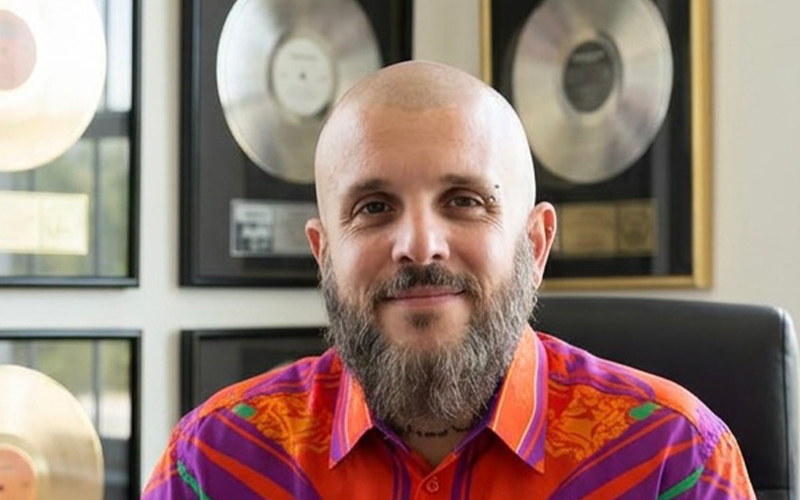
I'm an expert in copyright management and digital distribution, with over 20 years of experience in the music industry. If you'd like to learn more about these topics or need support solving the challenges of managing your label, I'm available to schedule a meeting to offer you a personalized consultation.
Schedule a Meeting!