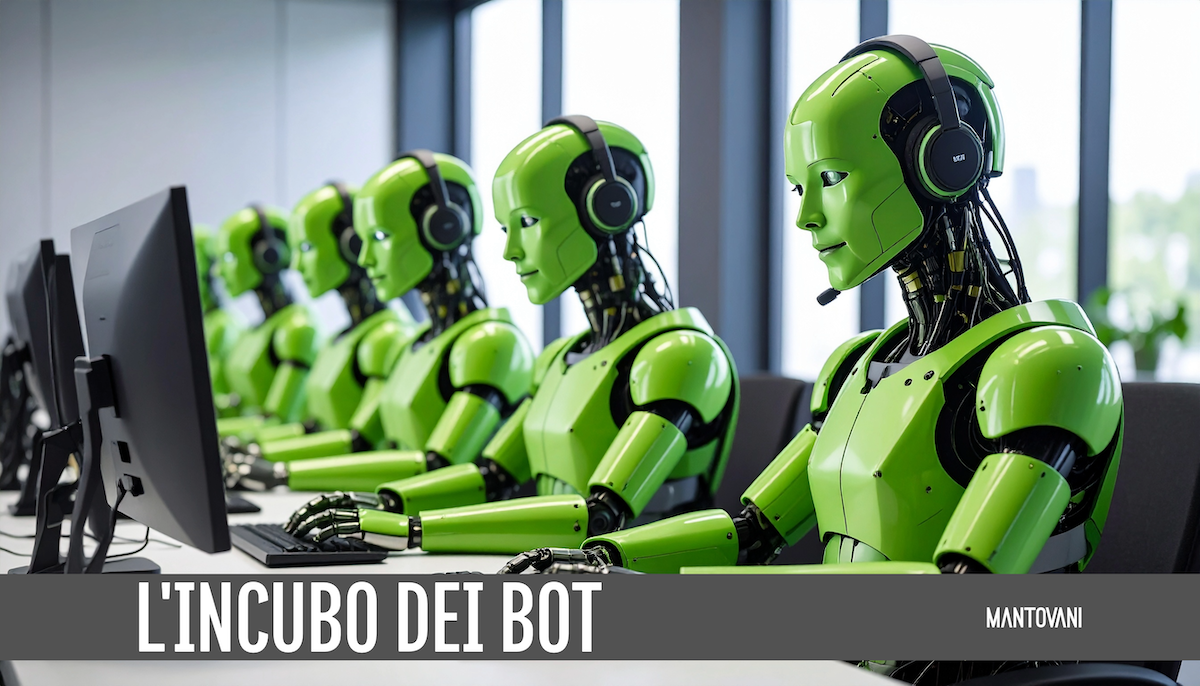
In the Reddit undergrowth, among the pages of the forum dedicated to artists on Spotify, a wave of frustration is rising with a common origin: artificial streaming generated by bots. Artists, especially independent ones, find themselves fighting an invisible battle against an enemy they never chose—and one that, ironically, could cost them dearly.
Bots, suspicious playlists, and sanctions
It all starts with a seemingly positive phenomenon: a spike in listenership. But often there is no promotion in place, no advertising campaign, no editorial playlist. Shortly thereafter, the song is flagged as “attività artificiale”. The distributor (which could be DistroKid, CD Baby, Amuse, or others) notifies the artist, sometimes with a cold and definitive message: “The track was removed for policy violation”. And with it, any accrued royalties also disappear.
From the stories collected on Reddit, a disturbing picture emerges: botched playlists that add random songs, streams generated by bots without the artist's consent, and the impossibility of knowing where these suspicious streams come from. In some cases, Spotify mentions fines of up to €10 for each track detected as fraudulent, and some distributors seem to pass the cost directly to the customer.
The artist as a victim of the system
The most paradoxical case concerns songs with fewer than 100 monthly streams, still reported for suspicious activity. Some users report that, despite having received fewer than 70 plays, they found themselves on Spotify's blacklist, without ever having promoted or purchased services.
One testimony tells: “Spotify is pocketing my money by cutting royalties. If they can detect bots, why can't they find the playlist they came from or whoever is responsible?”.
There are also those who denounce the inconsistency of the platform: “I listen to my tracks on Google Drive because I'm afraid of affecting Spotify's metrics. But other big artists are being looped and rewarded by the algorithm”.
Spotify and distributors: who really protects artists?
A crucial fact: since April 2024, Spotify has started directly fining distributors for fraudulent streaming generated by their customers. This means that if a distributor charges an artist for a fine, it has the legal right to do so, unless the terms of service state otherwise.
Many artists wonder why these platforms can't prevent the problem, given that bugged playlists are easily recognizable: suspicious names, thousands of songs added in bulk, links to “promozione” services, zero real streams. Yet, they often remain active for weeks.
What can be done?
Unfortunately, there is no definitive solution. But some common tips can help limit the damage:
- Avoid unverified playlisting services. Tools like PlaylistSupply and Artist. Tools can help you figure out if a playlist is “pulita”.
- Check the data. Analyze the listening sources in Spotify for Artists: if you notice anomalous spikes, streams from unlikely countries, or sources classified as “Altro”, you may have been hit by bots.
- Don't interact excessively with your music on Spotify: personal streaming, even inadvertently, can be considered suspicious activity.
- Evaluate your distributor. Some, like Record Union or Tunecore, seem to have more responsive support than others like Amuse or DistroKid, according to user reports.
A platform that is increasingly less “artist-friendly”?
Many comments end with bitterness: “Spotify is no longer a platform for music, it's just another system that penalizes small businesses”. A widespread feeling, aggravated by the lack of communication, transparency, and concrete assistance from Spotify and distributors.
While waiting for a fairer and more transparent system, the main advice remains: carefully read your distributor's terms and conditions, learn about the tools available, and above all, don't fall into the trap of easy promotions. In an ecosystem where bots can destroy an independent artist's career, caution is the only real defense. Remember that DISTRID always protects the artist; try distributing with our platform!
Protect your music and the related revenue!
If you've found yourself involved in artificial streaming situations without having done anything to cause them, you're not alone—and more importantly, you're not without tools. As an expert in editorial management and digital distribution, I can help you intervene strategically to protect your music, recover lost royalties, and restore transparency in your relationships with platforms and distributors. If you're facing issues related to suspicious streams, unjustified removals, or penalties from your distributor, schedule a meeting with me: we'll analyze your situation together and find the best way forward.