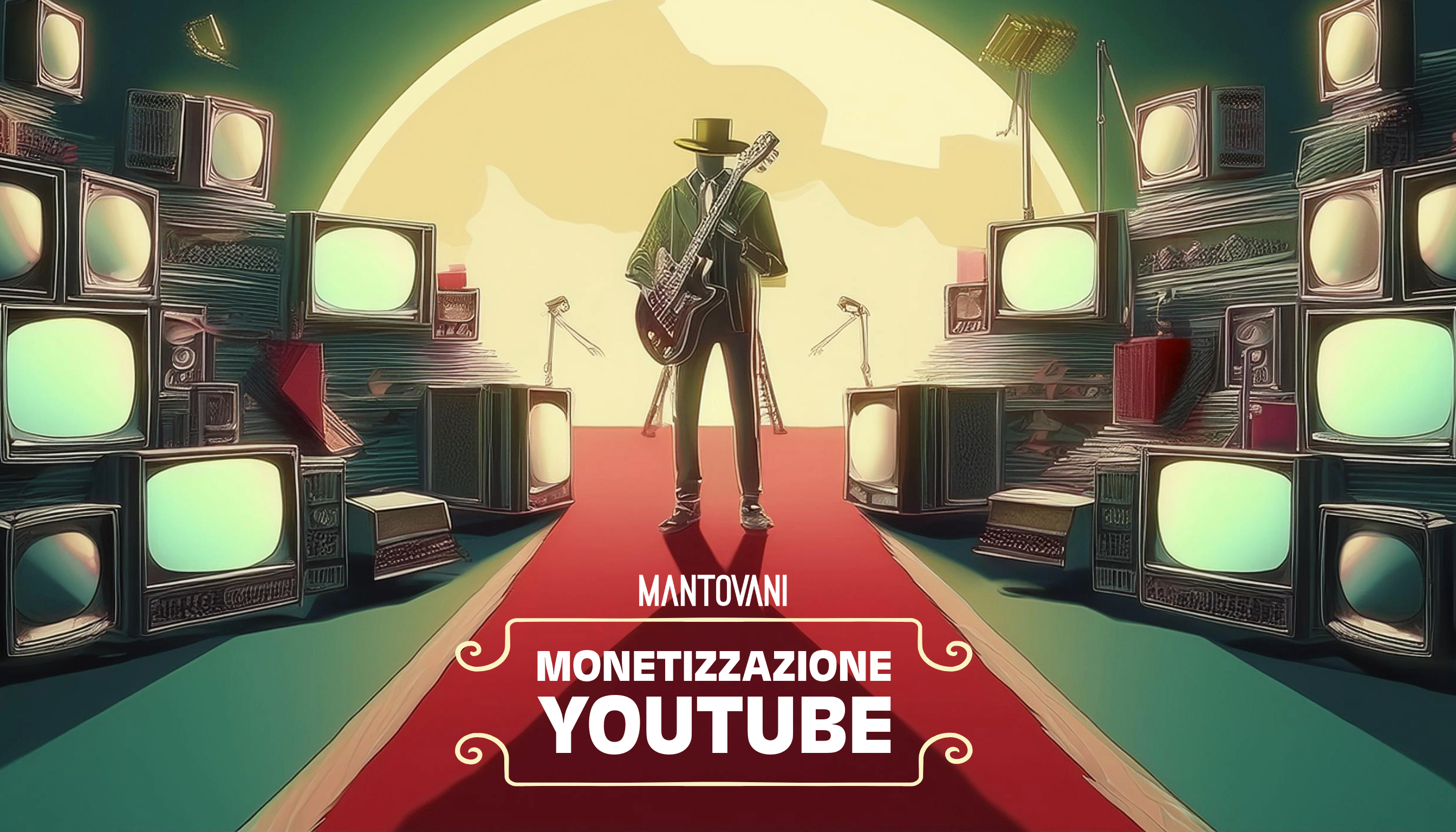
Monetizing music on YouTube is a crucial opportunity for independent and professional musicians. Through Content ID, YouTube identifies and tracks the use of your music in user-generated videos, allowing you to collect advertising revenue, even if you don't upload the content. This process, automated through audio track identification, is essential for ensuring long-term passive income.
Monetization through Content ID is not only reserved for the official music videos you upload to your YouTube channel, but also for all user-uploaded videos that feature your music. YouTube places ads on these videos, and the revenue is shared with the rights holder of the track used.
How YouTube Content ID Works
YouTube Content ID is an advanced system that constantly scans all uploaded videos to identify copyrighted content. If your music is detected in a video uploaded by another user, YouTube will associate it with you via Content ID. Once identified, the video can be monetized through ads, which generate revenue for the rights holder. The system works like this:
- It listens to and stores your song.
- It finds every video that contains that song.
- It places ads on those videos, so you can earn money.
Requirements to Monetize Music on YouTube
To monetize, you must own the rights to both the sound recording and the composition. It's important to note that not all music content is eligible. For example, you can't monetize songs that contain public domain elements, Creative Commons licenses, non-exclusive samples, or unauthorized covers.
Making Money with YouTube Music and Art Tracks
In addition to Content ID, YouTube offers another source of income: YouTube Music, YouTube's music streaming platform. When you distribute your music through services like DISTRID, it becomes available as an Art Track, an automatically generated video that contains only the song and the album artwork. Art Tracks generate revenue through ad-supported views or subscriptions, similar to streaming platforms like Spotify.
Difference Between YouTube Music and Content ID
While both Art Tracks and User-Generated Content (UGC) earn revenue through ad-supported views or subscriptions, there is one key difference: Art Tracks only earn revenue for views on those specific videos, while UGC earn revenue based on the use of your music in user-uploaded content.
YouTube Partner Program
In addition to Content ID, the YouTube Partner Program (YPP) allows creators to directly monetize their content. To be eligible, your channel must have at least 1,000 subscribers and 4,000 hours of public viewing in the last 12 months. With YPP, you can choose the type of ads to include in your videos and have direct control over monetization.
Difference between Direct Monetization and Monetization with a Digital Distributor
Monetizing directly through AdSense is possible, but requires you to manage everything yourself, including meeting the requirements of the YouTube Partner Program. On the other hand, relying on external monetization services like DISTRID simplifies the process, leaving them to manage the rights and collect the revenue.
Types of Ads on YouTube
Ads on YouTube vary based on several factors:
- Demographics: The audience watching the video.
- Video Type: The specific content.
- Number of Views: The higher the number, the higher the earnings.
Ad types can include non-skippable pre-rolls, skippable pre-rolls, and pop-ups, with earnings increasing with the number of views. So, actively promoting your content and encouraging your audience to create videos featuring your music can significantly increase your revenue.
Collecting Royalties and Managing Your Music Catalogs
Every time your music is used, you not only earn money from ads, but also generate revenue from publishing rights (such as mechanical royalties). Rights management services, like DISTRID, can help you collect this revenue by registering your songs with organizations like SoundExchange or The MLC, making you eligible for payments for both online and offline uses.
Expanding Opportunities to Other Platforms
In addition to YouTube, your music can be monetized on other social and streaming platforms. For example, you can collect revenue from Facebook and Instagram through the use of your music in their video content. With DISTRID, you can expand your control of your rights across multiple platforms, maximizing your earning potential.
Conclusion: The Future of Monetization on YouTube
YouTube continues to evolve, introducing new forms of monetization that could further expand earning potential for artists. Staying up to date with changes on this platform and using tools like DISTRID to maximize your revenue is essential for long-term success.
Schedule a Meeting!
If you're an artist looking to maximize your earnings by managing your music catalog on YouTube and other digital platforms, I can help. Schedule a meeting with me to discuss strategies for protecting your copyrights and collecting all the royalties you're owed!
Schedule a Meeting!